Essential Electrical Upgrades for Custom Homes
- nickecocan
- 1 day ago
- 4 min read
Building a custom home is an exciting journey, filled with choices that reflect your personal style and needs. One of the most critical aspects of this process is ensuring that your electrical system is not only functional but also future-proof. Upgrading your electrical system can enhance safety, efficiency, and convenience, making your home a more enjoyable place to live. In this post, we will explore essential electrical upgrades that every custom home should consider.
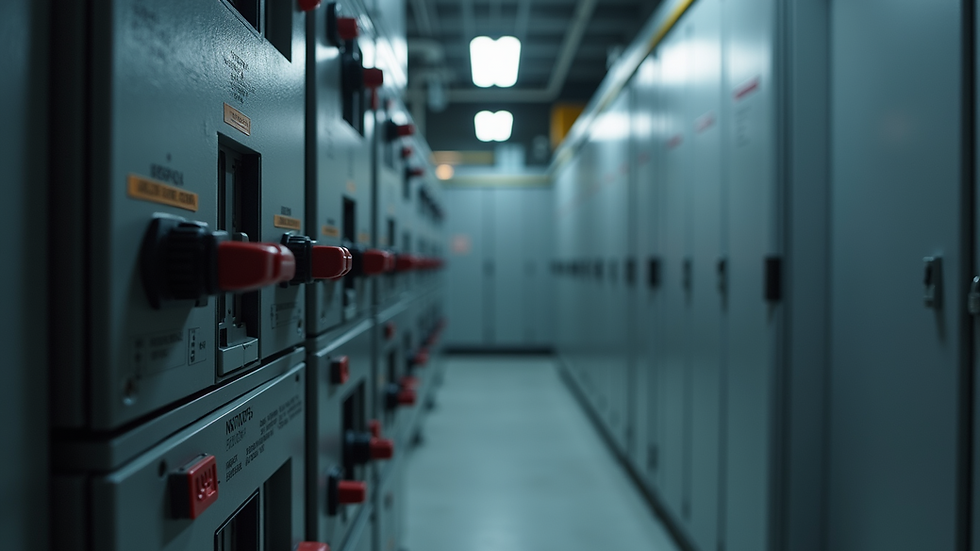
Understanding Your Electrical Needs
Before diving into specific upgrades, it’s crucial to assess your electrical needs. Consider the following factors:
Home Size: Larger homes typically require more robust electrical systems to handle the increased load.
Lifestyle: If you have a family that relies heavily on technology, you may need more outlets and higher capacity circuits.
Future Expansion: Think about potential future needs, such as adding a home office, gym, or smart home devices.
By understanding your unique requirements, you can make informed decisions about which upgrades will best serve your home.
Upgrading to a Higher Amperage Service
Most older homes are equipped with a 100-amp electrical service, which may not be sufficient for modern living. Upgrading to a 200-amp service can provide the necessary power for today’s appliances and technology. This upgrade is particularly important if you plan to:
Install high-demand appliances like electric ranges, dryers, or HVAC systems.
Add electric vehicle charging stations.
Incorporate smart home technology that requires consistent power.
A higher amperage service ensures that your home can handle increased electrical loads without tripping breakers or causing outages.
Installing Smart Home Technology
Smart home technology is no longer a luxury; it’s becoming a standard feature in modern homes. Upgrading your electrical system to accommodate smart devices can enhance convenience and energy efficiency. Consider these options:
Smart Lighting: Install smart switches and dimmers that can be controlled via smartphone apps or voice commands.
Smart Thermostats: These devices learn your heating and cooling preferences, optimizing energy use and saving money on utility bills.
Home Security Systems: Integrate smart cameras, alarms, and doorbell systems that can be monitored remotely.
When planning for smart home technology, ensure your electrical system can support the necessary wiring and connectivity.
Adding More Outlets
One of the most common complaints in homes is the lack of electrical outlets. Upgrading your electrical system to include more outlets can significantly improve functionality. Here are some tips:
Strategic Placement: Install outlets in convenient locations, such as near kitchen countertops, living areas, and bedrooms.
USB Outlets: Consider installing outlets with built-in USB ports for easy charging of devices without needing adapters.
Outdoor Outlets: If you enjoy outdoor activities, adding weatherproof outlets on patios or decks can be beneficial for powering tools or lighting.
More outlets reduce the need for extension cords and power strips, enhancing safety and convenience.
Installing Dedicated Circuits
Certain appliances require dedicated circuits to operate safely and efficiently. Upgrading your electrical system to include dedicated circuits for high-demand devices can prevent overloads and improve performance. Consider these appliances:
Refrigerators: A dedicated circuit ensures that your fridge runs smoothly without interference from other devices.
Washing Machines and Dryers: These appliances often require significant power, making dedicated circuits essential.
Home Office Equipment: If you work from home, consider dedicated circuits for computers, printers, and other office equipment.
Dedicated circuits help prevent tripped breakers and potential damage to your appliances.
Enhancing Safety with Ground Fault Circuit Interrupters (GFCIs)
Safety should always be a priority in any electrical upgrade. Installing Ground Fault Circuit Interrupters (GFCIs) in areas where water and electricity may come into contact is crucial. These devices can prevent electrical shocks and are typically required by code in:
Kitchens: Install GFCIs near sinks and countertops.
Bathrooms: Ensure outlets are GFCI-protected to prevent accidents.
Outdoor Areas: Use GFCIs for outdoor outlets to protect against moisture.
Upgrading to GFCIs not only enhances safety but also ensures compliance with electrical codes.
Incorporating Surge Protection
Power surges can damage sensitive electronics and appliances. Installing a whole-house surge protector can safeguard your home’s electrical system from voltage spikes caused by lightning strikes or utility issues. Here’s why it’s essential:
Protection for Electronics: A surge protector can prevent costly repairs or replacements of devices like TVs, computers, and gaming consoles.
Peace of Mind: Knowing your home is protected from unexpected surges can reduce anxiety about electrical issues.
Incorporating surge protection is a proactive step in safeguarding your investment.
Upgrading Lighting Fixtures
Lighting plays a significant role in the ambiance and functionality of your home. Upgrading your lighting fixtures can enhance both aesthetics and energy efficiency. Consider these options:
LED Lighting: Replace traditional bulbs with LED fixtures that consume less energy and last longer.
Dimmer Switches: Install dimmer switches to adjust lighting levels based on the time of day or activity.
Recessed Lighting: Upgrade to recessed lighting for a modern look that provides even illumination throughout your space.
Upgrading your lighting can improve the overall atmosphere of your home while reducing energy costs.
Planning for Future Technology
As technology continues to evolve, it’s essential to future-proof your electrical system. Here are some upgrades to consider:
Structured Wiring: Install a structured wiring system that accommodates various technologies, including internet, cable, and phone lines.
Home Automation Systems: Plan for the integration of home automation systems that can control lighting, security, and climate.
Electric Vehicle Charging: If you plan to own an electric vehicle, ensure your garage is equipped with a dedicated charging station.
By planning for future technology, you can avoid costly retrofits down the line.
Conclusion
Upgrading your electrical system is a vital step in building a custom home that meets your needs and enhances your lifestyle. From increasing amperage service to incorporating smart technology, these upgrades can improve safety, efficiency, and convenience. As you embark on your custom home journey, consider these essential electrical upgrades to create a space that is not only functional but also future-ready.
Take the time to consult with a licensed electrician to ensure that your upgrades are safe and compliant with local codes. Investing in your electrical system today will pay off in comfort and peace of mind for years to come.

Comments